UFC Underdog Betting and Longshot Value
 Available in US

Identifying High-Probability Upset Scenarios
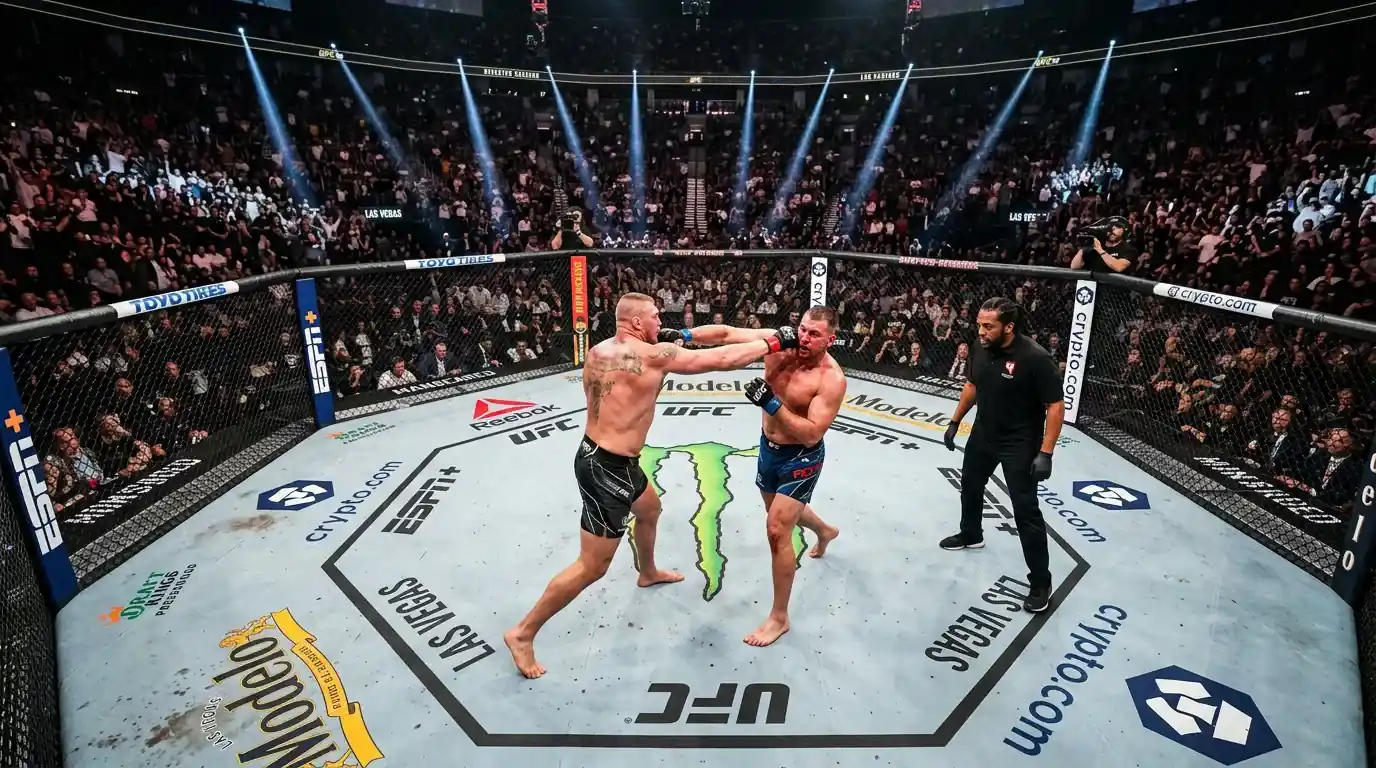
September 2024. A fighter nobody outside the top-fifteen rankings cared about walked into the octagon as a +280 underdog and knocked out the number-three contender in the division with a head kick in round two. I had a fiver on him. The payout was small in absolute terms, but the thesis behind the bet — a southpaw kickboxer against an orthodox fighter with known problems defending kicks from the open side — was exactly the kind of analysis that makes underdog betting in UFC different from throwing darts.
UFC underdogs win roughly 35% of their fights, making MMA the sport with the third highest upset rate among major betting markets. That number alone should change how you think about favourites. One in three fights produces a result the market did not expect. The question is not whether upsets happen — it is whether you can identify which fights are most likely to produce them before the odds reflect it.
Underdog Win Rates Across UFC History and 2024
The historical average of 35% tells you the base rate. But 2024 was a year that broke the mould. Underdogs priced at +200 or longer — meaning the market gave them a 33% chance or less — won 39% of their fights. That is not a small deviation. It represents a systematic underpricing of longshots across an entire calendar year of events.
What drove it? Several factors converged. The UFC’s talent pool deepened significantly between 2022 and 2024, with fighters from previously underrepresented regions — Eastern Europe, Central Asia, Southeast Asia — entering the promotion with skill sets that the established fighters and, crucially, the odds-makers had not fully calibrated for. A wrestler from Dagestan with a 12-0 regional record might have been priced as a +250 underdog against a ranked American fighter, but his grappling credentials made the fight far closer than the odds implied.
Title fights tell an even more interesting story. Of the 19 instances in UFC history where an underdog won a championship bout, 12 of them — 63% — went on to successfully defend the belt at least once. The market treated them as flukes; their subsequent records said otherwise. Championship-level underdogs are not getting lucky. They are fighters whose true ability the market has failed to price correctly, and that mispricing often persists into their title reign.
Fighter Profiles That Signal an Upset
After eight years of tracking UFC bets, I have noticed three recurring profiles in fighters who outperform their underdog pricing.
The first is the style disruptor. This fighter does something the favourite has not faced before — an unorthodox striking stance, an elite wrestling pedigree in a division dominated by strikers, or a submission game that forces a grappling exchange the favourite wants to avoid. Style matchups in MMA create non-linear outcomes. A fighter who loses to nine out of ten opponents might beat the one opponent whose game is specifically vulnerable to their approach. The moneyline does not capture this nuance well.
The second profile is the late-notice replacement who has nothing to lose. A fighter stepping in on two weeks’ notice to face a ranked opponent has no expectation on them. The pressure sits entirely on the favourite, who prepared for a different opponent with a different style. That psychological asymmetry, combined with the favourite’s compromised preparation, produces upsets at a rate higher than the odds suggest.
The third profile draws on rematch data. First-fight winners take the sequel 66% of the time — but that means 34% of rematches flip. The fighters who do flip it tend to share common traits: they lost the first fight by decision rather than stoppage, they made a significant camp change between fights, and the rematch is at a higher stakes level that raises their intensity. If a fighter lost a close decision, switched gyms, and is now fighting for a title shot, the rematch is not a rerun — it is a different contest.
None of these profiles guarantee an upset. They increase the probability above what the market has priced, which is what value betting requires. You are not looking for certainty — you are looking for mispriced probability.
How to Size Underdog Bets Without Blowing Your Bankroll
The biggest mistake I see with underdog bettors is staking them the same way they stake favourites. If you normally bet 20 pounds on a -200 favourite, putting 20 pounds on a +300 underdog is a fundamentally different risk exposure. The favourite bet risks 20 to win 10. The underdog bet risks 20 to win 60. The variance profiles are not comparable, and your staking should reflect that.
I use a simple adjustment: underdog bets get half the unit size of my standard favourite bets. If my normal unit is 2% of bankroll, an underdog wager is 1%. This keeps the potential payout meaningful — a +300 underdog at 1% bankroll still returns a healthy profit — while limiting the damage from the inevitable losing streaks that come with betting fighters who lose more often than they win.
The Kelly Criterion offers a more mathematical approach. It calculates optimal bet size based on your estimated edge and the odds offered. For a +300 underdog you assess at 30% probability, Kelly suggests a stake of approximately 1.4% of bankroll. The formula naturally scales down your bet as the odds lengthen and the uncertainty increases, which is exactly the discipline underdog betting demands.
Track everything. Record the opening odds, your estimated probability, your stake, and the outcome. After fifty underdog bets, review the data. Are you hitting at or above the implied probability of the odds you took? If yes, your analysis is sound and you can maintain or slightly increase your unit size. If not, reduce the stake and refine the fighter profiles you are targeting. The numbers will tell you the truth that your memory will not.
Underdog betting in UFC is not about bravery or contrarianism. It is about mathematics, matchup analysis, and the discipline to accept frequent losses in exchange for occasional payouts that more than compensate. The strategy framework covers how to integrate underdog plays into a balanced overall approach.
How often do heavy underdogs win in UFC title fights?
Of the 19 times an underdog has won a UFC championship fight, 12 of those fighters — 63% — went on to defend the title successfully. Heavy underdogs at +300 or longer win title fights less frequently than moderate underdogs, but when they do, they tend to prove the market wrong over subsequent bouts. Title-fight upsets are not random — they usually involve genuine skill mismatches that the odds failed to capture.
Should I only bet UFC underdogs on the moneyline?
No. While the moneyline is the most common market for underdog bets, method of victory and round betting can offer even better value if you have a specific thesis about how the upset occurs. If you believe an underdog wrestler will grind out a decision, the ‘by decision’ method market might pay more than the moneyline for the same level of conviction. Use the market that best matches your analysis.
Written by the editors at how to bet on the ufc Fight.