UFC Futures Betting and Championship Odds
 Available in US

Managing Bankroll Exposure on Long-Term Championship Futures
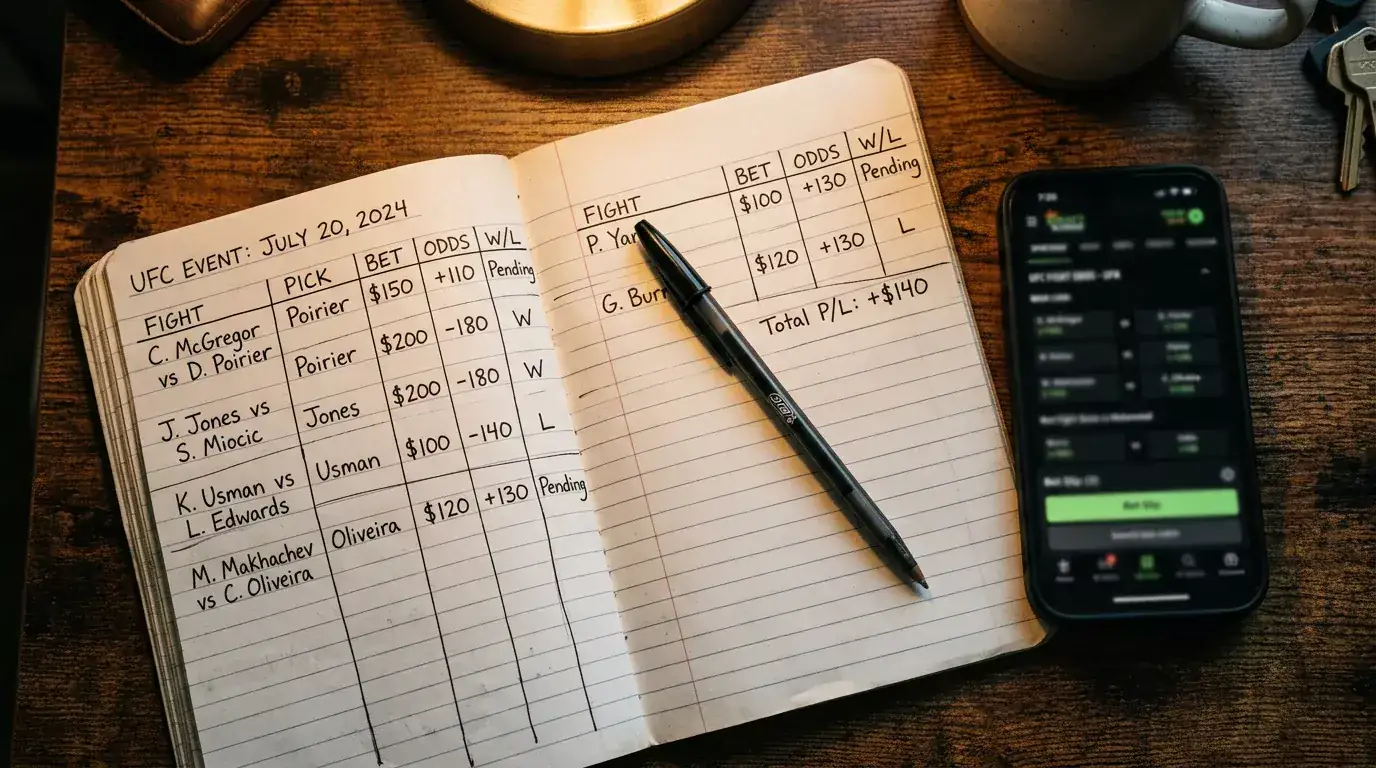
I placed my first UFC futures bet in 2019 — Islam Makhachev to win the lightweight title at around +800. He did not hold the belt yet, the fight was not booked, and most casual fans could not spell his name. That ticket sat in my account for over three years before it paid out. Three years of wondering whether the matchmakers would ever give him the shot, whether an injury would derail the whole thing, whether the odds I locked in would look genius or foolish. It paid. And that single bet taught me more about patience, value, and risk than any weekend of moneylines ever could.
Futures betting — sometimes listed as “outright” or “championship winner” markets — asks you to pick who will hold a belt at a specified point in the future. The odds reflect not just fighting ability but a tangle of variables: current champion durability, divisional depth, promotional politics, and injury risk across months or years. Of the 19 fighters who won a UFC title as an underdog, 12 went on to defend it successfully, which tells you something important about the kind of value that exists in these markets long before the bookmakers catch up.
This is not a market for people who need instant gratification. Your money is locked up, the landscape shifts constantly, and settlement can be a year away. But if you are comfortable with that, futures offer edges that disappear entirely by fight week.
How UFC Futures Markets Are Structured
The UFC operates across twelve active weight classes, and the global MMA market — valued at roughly $1.74 billion in 2026 with projections toward $2.79 billion by 2033 — keeps growing fast enough that sportsbooks are expanding their futures offerings almost every quarter. Five years ago, you might find outright championship markets for three or four divisions. Now most major UK-licensed bookmakers list all twelve, sometimes with next-opponent props layered on top.
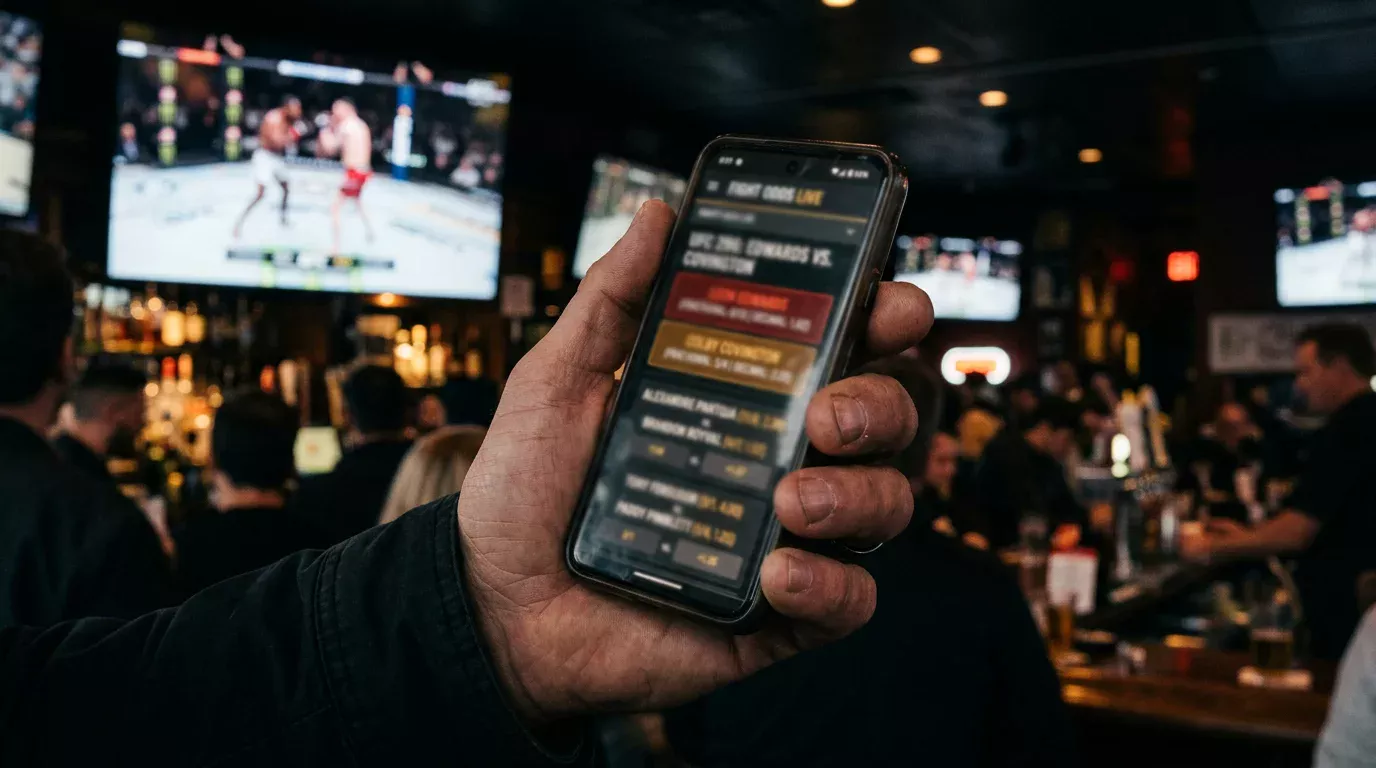
A typical futures market lists every plausible contender in a weight class alongside their odds to hold the belt by a given date — usually a calendar year-end or a specific event. The champion is almost always the shortest price, often between -200 and +150 depending on divisional volatility. Top-ranked contenders sit in the +200 to +600 range, and fringe names can stretch past +2000. Dana White once put it plainly: the UFC supports legal sports betting because it drives fan engagement, broadcast value, and sponsorships — and when you look at how much liquidity flows into these markets now compared to even 2022, his point lands.
Settlement rules matter here more than in any other UFC market. Most futures settle when a fighter wins a recognised title bout — interim titles usually count, but not all sportsbooks treat them the same way. If a champion vacates without losing, your “champion by year-end” bet typically settles on whoever wins the vacant-title fight. Read the settlement terms before you place the bet. I have seen bettors lose on a technicality because they assumed an interim belt would count and their bookmaker did not agree.
One structural detail that catches people out: futures prices do not move the way fight-week odds do. Fight-week markets react to weigh-ins, training footage, and sharp money in real time. Futures shift slowly, driven by results in the division, injury news, and occasional surges of public money after a spectacular knockout. That sluggishness is where your opportunity lives. If you study the full range of UFC bet types, you will notice that futures are the only market where you can find value weeks before a price correction catches up to the information you already have.
Where Value Hides in Long-Term UFC Odds
Here is a pattern I keep coming back to. A dominant champion in a shallow division — think flyweight or women’s strawweight — will be priced at -300 or shorter on the outright market. The public sees that dominance and stays away, assuming there is no value on either side. But look at what happens when a genuine challenger emerges in those divisions. Their odds collapse from +1200 to +400 in the space of a single win, and suddenly the window you had is gone.
The trick is not to predict who will beat the champion. It is to predict who will get the chance. UFC matchmaking does not follow a strict ranking ladder. Promotional appeal, rivalry narratives, geographic markets, and even social media presence influence who gets booked for a title shot. If you can identify the fighter the UFC wants to build toward a title bout — the one who is winning, talking, and drawing attention — you can often lock in their futures price before the matchmaking announcement does the work for you.
The UFC’s valuation at $23 billion as of late 2025 reflects an organisation that thinks about its product in story arcs, not just rankings. That commercial logic shapes which fights get made, and futures bettors who understand the business side consistently find themselves ahead of the line.
Another value pocket: divisional transitions. When a long-reigning champion loses, the futures market overreacts to the new titleholder and undervalues the former champion’s rematch odds. History shows that first-fight winners in championship rematches hold an edge, but the odds rarely reflect how narrow that edge actually is. The period immediately after a title change — before the rematch is booked — is one of the most reliable windows I have found for getting a favourable price on the former champion.
Injury, Matchmaking, and Liquidity: The Downside
I once held a futures ticket on a middleweight contender for eight months before he tore his ACL in training and spent the next year on the sidelines. The odds drifted from +350 to +1400 and my stake was effectively dead money. That is the reality of futures: you are not just betting on fighting ability, you are betting on health, timing, and organisational decisions you cannot control.
Injury risk compounds the longer your time horizon stretches. A fighter who trains three times a day, six days a week, accumulates wear at a rate that makes football players look cautious. ACL tears, hand fractures, herniated discs — any of these can push a title shot back by a year or eliminate the fighter from contention entirely. There is no insurance and, in most cases, no cash-out option on a futures market that thin.
Matchmaking risk is subtler but just as damaging. The UFC is under no obligation to give the number-one contender the next title shot. Promotional priorities shift, pay-per-view projections influence scheduling, and a fighter who seems next in line today can find himself waiting through two or three other contenders’ shots. If your futures ticket is “champion by end of 2026” and the fighter does not get booked until November, you are sweating settlement dates rather than fight outcomes.
Liquidity is the third problem. Futures markets carry wider margins than fight-week odds because the bookmaker is pricing in all of the uncertainty you are. The hold percentage on outright championship markets can run two to three times higher than a standard moneyline. That means you need to be more right, more often, just to break even. Combine that with the opportunity cost of capital sitting in a bet for months, and you start to see why futures are a specialist market — rewarding for those who do the work, punishing for those who treat them like a lucky dip.
Can I cash out a UFC futures bet before the title fight happens?
It depends on the bookmaker. Some UK-licensed sportsbooks offer partial cash-out on futures markets, but many do not — especially on lower-liquidity divisions. Check the cash-out terms before placing the bet, because once your money is in, you may have no way to exit until the market settles.
How far in advance do bookmakers offer UFC championship futures?
Most major sportsbooks open futures markets at least six to twelve months ahead, though availability varies by division. High-profile weight classes like lightweight and welterweight tend to have year-round outright markets, while smaller divisions may only appear around major events or after a title change.
Prepared by the how to bet on the ufc Fight editorial staff.