UFC Fight Camp Analysis: What Training Clues Reveal Before Betting
 Available in US
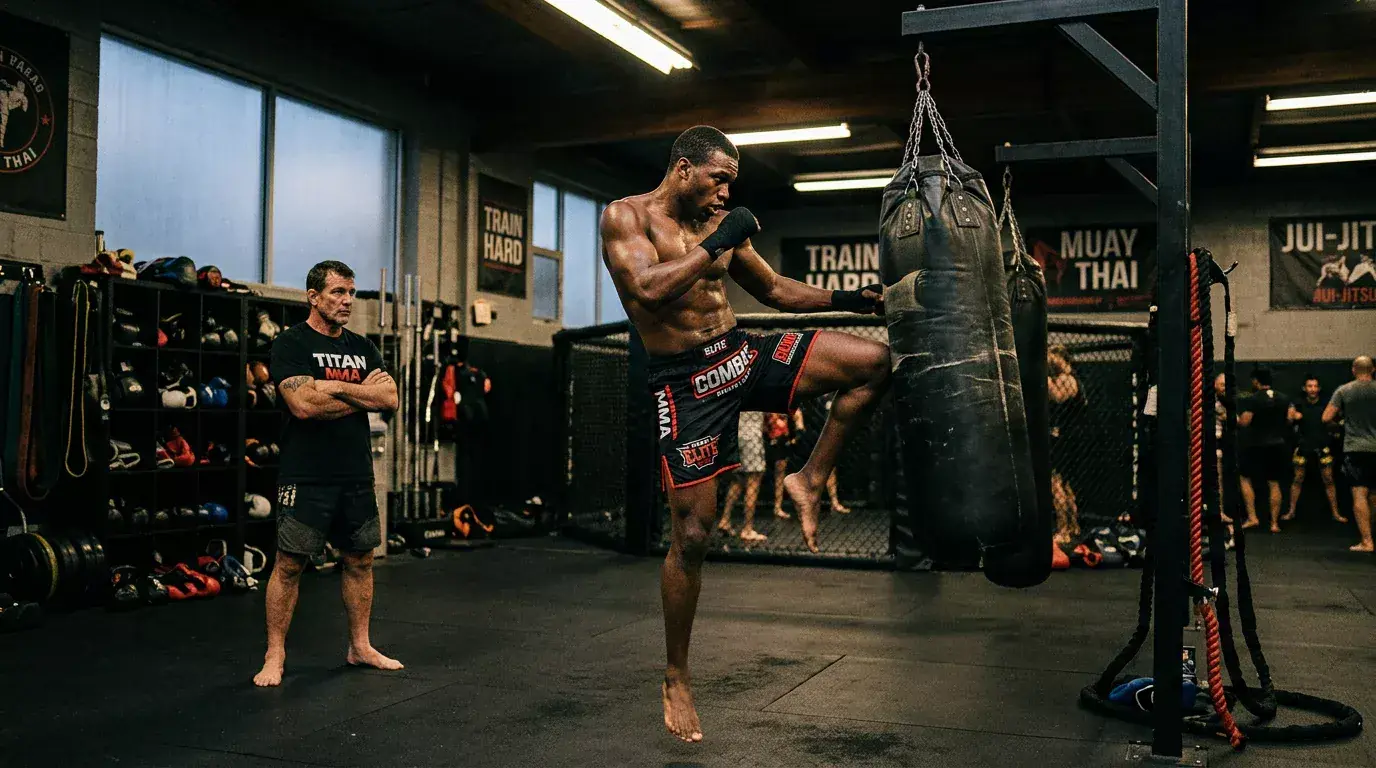
Numbers Tell You the Past — Camp Tells You the Present
Every statistical model for UFC betting has the same blind spot: it looks backward. Striking accuracy, takedown defence, finish rates — these numbers describe what a fighter has done, not what they are about to do. The gap between past performance and current form is where fight camp analysis lives, and it is one of the few edges that quantitative models cannot easily replicate.
A fighter’s camp — the six to twelve weeks of intensive preparation before a bout — determines their physical condition, their strategic approach, and often their mental state on fight night. Changes in camp can signal improvements that the odds have not priced in, or warning signs that the public is ignoring. The challenge is separating genuine signals from noise, because the UFC fight-week media ecosystem produces far more content than actionable information.
This guide covers the camp factors I weigh most heavily when adjusting my pre-fight assessments. For the statistical side of the equation, the fighter stats guide covers the numbers in depth.
Gym Changes and New Coaches: Red Flag or Upgrade?
A fighter switching gyms is one of the most significant camp signals in UFC betting, and the market often misprices it. The default public reaction tends to be positive — the fighter is “levelling up” by moving to a bigger, more respected camp. Sometimes that is true. But just as often, a gym change disrupts established training rhythms, introduces unfamiliar sparring partners, and requires the fighter to adapt to a new coaching philosophy in a compressed timeframe.
The data on rematches provides an indirect lens. First-fight winners take rematches 66% of the time, but the exceptions disproportionately involve fighters who made genuine structural changes to their training — including gym switches. The key word is genuine. A fighter who moves from a small regional gym to a world-class camp with specialists in the discipline that cost them a previous fight has a clear rationale. A fighter who switches gyms after a loss without a clear technical reason is more likely to be reacting emotionally than strategically.
I look for specificity when evaluating gym changes. Has the fighter publicly discussed what they needed to improve and how the new camp addresses it? Have they brought in a specific coach — a wrestling specialist after being outwrestled, a striking coach after being outpointed on the feet? Generic statements about “fresh energy” or “new motivation” do not move my assessment. Specific technical upgrades do.
Coaching changes within the same gym can be equally significant. A head coach stepping back and a specialist taking over the game plan can alter a fighter’s approach substantially. These changes receive less media attention than a full gym switch, which makes them harder to spot but potentially more valuable from a betting perspective.
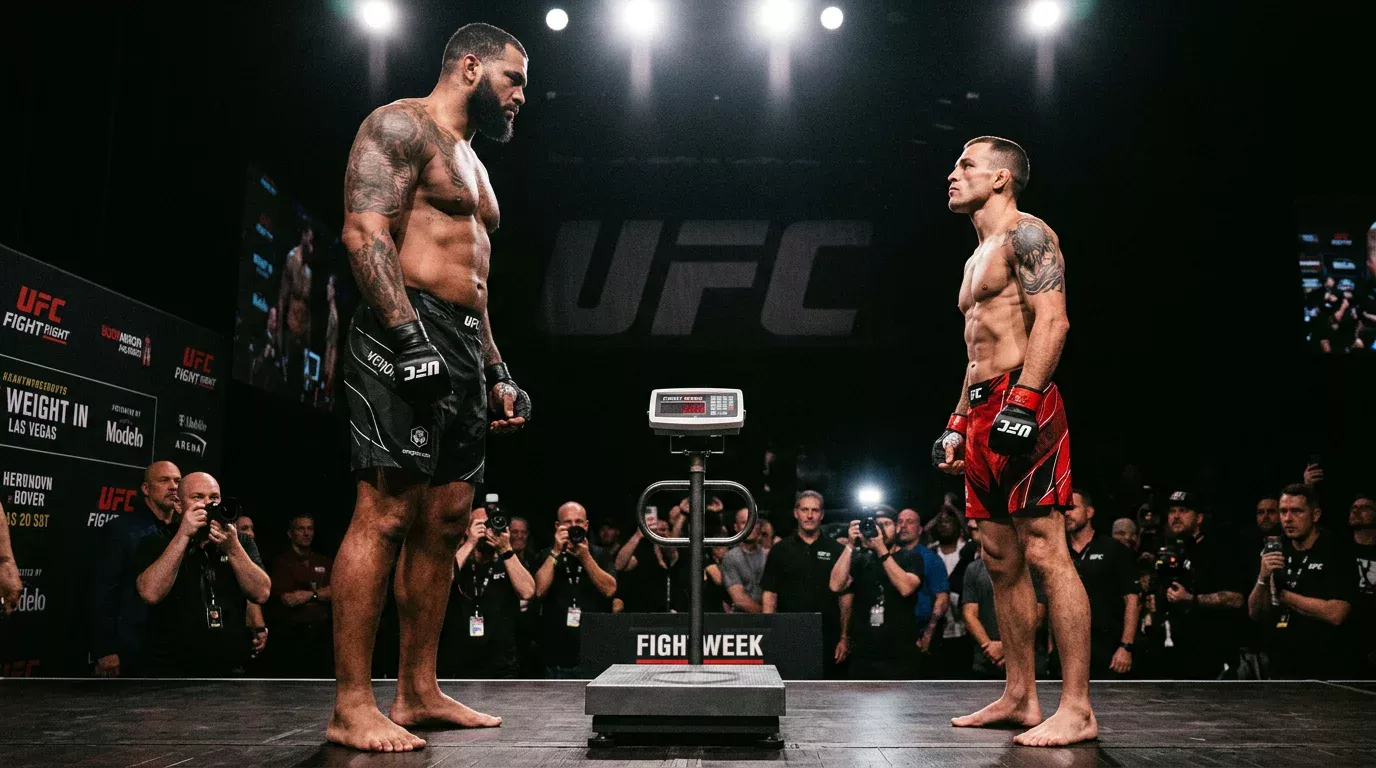
Weight Cut Reports: What Early Weigh-In Clues Mean for Odds
Every UFC fighter cuts weight, and the severity of that cut is one of the best predictors of fight-night performance. A fighter who walks around at 190 pounds and fights at 170 is shedding 20 pounds of water in the final days before the weigh-in. If the process goes well, they rehydrate fully and enter the octagon at close to their natural weight. If it goes poorly — missed weight, a late arrival to the scale, visible dehydration at the weigh-in — their cardio, chin durability, and overall output suffer measurably.
At heavyweight, where roughly half of all fights end by KO or TKO, the physical stakes of a bad weight cut are amplified. A dehydrated fighter absorbs more damage and recovers from strikes more slowly. In the power divisions, the margin between landing a clean shot that gets absorbed and one that ends the fight can be razor-thin, and hydration status affects which side of that margin you end up on.
Fight-week reporting is your primary source for weight-cut intelligence. MMA journalists embedded at the host hotel and at the weigh-ins publish observations about how fighters look — drawn, energetic, struggling, relaxed. Social media posts from fighters and their teams can also reveal weight-cut progress, though these require a healthy scepticism filter. A fighter posting a confident weigh-in video does not mean the cut was easy; it means they want you to think it was.
The most reliable signal is the official weigh-in result itself. A fighter who comes in right at the limit — exactly 155.0 for lightweight — likely had a harder cut than one who weighs in at 154.5. Fighters who miss weight entirely are broadcasting that their preparation has gone wrong, and the performance data for fighters who miss weight is meaningfully worse than for those who make it comfortably. When a fighter misses weight, the odds adjust — but often not enough. The market underestimates the performance impact of a botched weight cut.
Social Media, Interviews, and Embedded Footage: Useful or Noise?
UFC fighters are more publicly visible during fight week than athletes in almost any other sport. They do media obligations, post training footage, give interviews, and appear in embedded documentary series produced by the UFC. All of this content is available for analysis, and all of it carries a heavy dose of performance.
Fighters are selling their fight. Confidence in an interview does not correlate with performance in the cage — some of the most outwardly confident pre-fight personas have gone on to lose decisively. Conversely, fighters who appear quiet, nervous, or disengaged before a fight are sometimes simply conserving their energy and maintaining their focus. Reading body language through the filter of a media appearance is unreliable at best and misleading at worst.
What I do find useful is training footage — but only specific kinds. Short clips showing technique work are meaningless; fighters post their best-looking rounds and edit out the bad ones. Extended sparring footage, when it surfaces, is far more revealing because it shows how a fighter responds under pressure, how their movement has changed, and whether their claimed improvements are visible in real-time combat. This footage is rare, but when it appears — usually leaked by a training partner’s social media rather than the fighter’s own accounts — it can be genuinely informative.
The embedded series produced by the UFC is useful for one thing above all others: observing a fighter’s physical condition during fight week. How they move, whether they look drawn from the weight cut, how they interact with their coaches — these visual cues, observed in an unscripted context, carry more signal than any interview. I watch embedded not for what fighters say but for how they look and move.
Should I avoid betting on UFC fighters who switched gyms recently?
Not automatically. A gym switch is significant, but its impact depends on the reason and the timing. A fighter who moved to a specialist camp to address a specific weakness — and had at least 8 to 12 weeks to integrate — may be better prepared than before. A fighter who switched gyms impulsively after a loss, with limited time in the new environment, carries more risk. Evaluate the specifics rather than applying a blanket rule.
How early before a fight should I start analysing camp reports?
Begin tracking camp information about four to six weeks before the event. Gym changes, coaching additions, and training footage typically surface in that window. Fight-week reporting — weight-cut updates, weigh-in observations, and embedded footage — becomes relevant in the final seven days. The earlier intelligence helps you form a baseline; the fight-week information is what prompts final adjustments to your assessment.
Created by the ”how to bet on the ufc Fight” editorial team.